

Some common symptoms of benzodiazepine withdrawal include anxiety, insomnia, irritability, tremors, sweating, nausea, and seizures. The specific tapering schedule will depend on a variety of factors, including the type of benzodiazepine, the dosage, and the duration of use. Your healthcare provider may recommend a tapering schedule that involves gradually reducing your dose over several weeks or months, with regular check-ins and adjustments as needed. Sometimes prescribers will suggest that their patients check into a detoxification (or “rehab”) center to get off of the benzodiazepines. Unfortunately, this is not a responsible solution as most detox centers are not equipped to manage the long-term functional brain changes benzodiazepine cessation can invoke. If you’ve taken benzodiazepines at high doses for an extended period, you may experience long-term withdrawal symptoms, also called post-acute withdrawal syndrome (PAWS) or protracted withdrawal.
Protracted Benzodiazepine Withdrawal Symptoms
Examples of slow withdrawal schedules are given at the end of this chapter. As a very rough guide, a person taking 40mg diazepam a day (or its equivalent) might be able to reduce the daily dosage by 2mg every 1-2 weeks until a dose of 20mg diazepam a day is reached. From 20mg diazepam a day, reductions of 1 mg in daily dosage every week or two might be preferable. This would take a further weeks, so the total withdrawal might last weeks.
Benzodiazepine Withdrawal Warnings
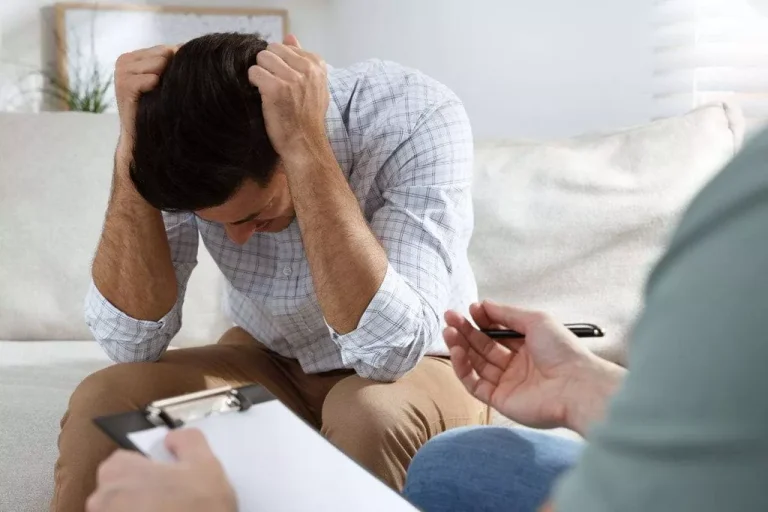
A therapist or other mental health professional can offer support with navigating these effects and helping improve your overall quality of life during the withdrawal period. If you take an intermediate-acting benzodiazepine, like alprazolam, or a long-acting benzodiazepine, like diazepam, it may take longer for withdrawal symptoms to appear. If you want to stop taking benzodiazepines after consistent long-term use, your doctor can help you gradually taper off your medication. Tapering can help take the edge off withdrawal symptoms like tremors and nausea, though it may not prevent withdrawal symptoms entirely. If you take benzodiazepines infrequently, such as once a week or once every few weeks to treat panic attacks, you can take them for a longer period of time.
What to Know About Benzodiazepine Withdrawal
The first symptoms of Xanax withdrawal appear within 8 to 12 hours of your last dose. Most people find that their physical symptoms are worse on the second day and improve by the fourth or fifth day. However, mental and cognitive symptoms are often the most severe on days 3 through 6. At Healthgrades, our Editorial Team works hard to develop complete, objective and meaningful health information to help people choose the right doctor, right hospital and right care. Our writers include physicians, pharmacists, and registered nurses with firsthand clinical experience.
What happens when benzodiazepines are abruptly stopped?
- Some doctors advocate the use of “escape pills” (an extra dose of benzodiazepines) in particularly stressful situations.
- Starting your journey away from benzodiazepines is a big deal, and what happens next is just as important for your well-being.
- Research shows that benzo abuse and addiction are also common among those who have a history of alcoholism.
- Additionally, support from family, friends, or a therapist can be helpful during this time.
- There is a risk that people who quit benzodiazepines without a taper may experience a life-threatening grand mal seizure.
However, these medications can also disrupt the natural sleep cycle and cause drowsiness during the day. This is because benzodiazepines work by enhancing the activity of a neurotransmitter called gamma-aminobutyric acid (GABA), which slows down brain activity and induces relaxation. The most common sign of benzodiazepine withdrawal is heightened anxiety and panic attacks.
- Abruptly stopping benzodiazepines can lead to seizures and other life-threatening complications.
- For example, symptoms of anxiety or insomnia may come back or get worse without the drugs.
- A list of antidepressant drugs and brief advice on how to taper them is given in Schedule 13 of this chapter.
- Your doctor can advise on the best way to come off benzos as safely as possible.
Signs and Symptoms of Benzodiazepine Withdrawal
Those who develop a benzos addiction may also get prescriptions from multiple doctors or forge prescriptions. Research shows that benzo abuse and addiction are also common among those who have a history of alcoholism. (9) Also, users who do not have a history of abuse, but have a first-degree relative with a history of addiction, face an increased risk.
- Because of limited dose formulations, it may be necessary to switch to diazepam even if you are on a fairly long-acting benzodiazepine of relatively low potency (e.g. flurazepam Dalmane).
- In this phase, people coming off short-acting benzos typically see a decrease in acute symptoms.
- Read on to learn more about benzodiazepine withdrawal, including the signs, how long it lasts, and how to get support with tapering off safely.
- By enhancing GABA activity, benzodiazepines can produce a range of effects, including sedation, relaxation, and muscle relaxation.
So, for those starting out, many previous users will testify that almost anyone who really wants to can withdraw from benzodiazepines. But don’t be surprised if your symptoms (or lack of them) are different from those of anyone else embarking on the same venture. Alcohol Use Disorder If your doctor has prescribed benzos, take them as per the instructions on the prescription.
You should not experience symptoms of benzo withdrawal if you only take benzos benzodiazepine withdrawal syndrome occasionally. However, if you take them for an extended period of time, you may develop a dependence. However, psychological dependence can also be challenging to overcome. Some people have mild to moderate symptoms, while others have severe withdrawal symptoms.
But each schedule must be tailored to individual needs; no two schedules are necessarily the same. Below is a summary of points to consider when drawing up your own schedule. However, contact your doctor for advice before taking any vitamins or supplements. Your doctor will consider your personal health and circumstances before recommending vitamins or supplements. You may also benefit from talking with a family member or close friend.
Coping Strategies for Managing Benzodiazepine Withdrawal Symptoms
They may find it difficult to focus on tasks, recall information, https://ecosoberhouse.com/ or multitask. During withdrawal, individuals may experience rebound insomnia, which is the inability to fall asleep or stay asleep despite feeling exhausted. This is because the brain has become accustomed to the presence of benzodiazepines and has adjusted its activity accordingly.